


PMS Symptoms Before Your Periods
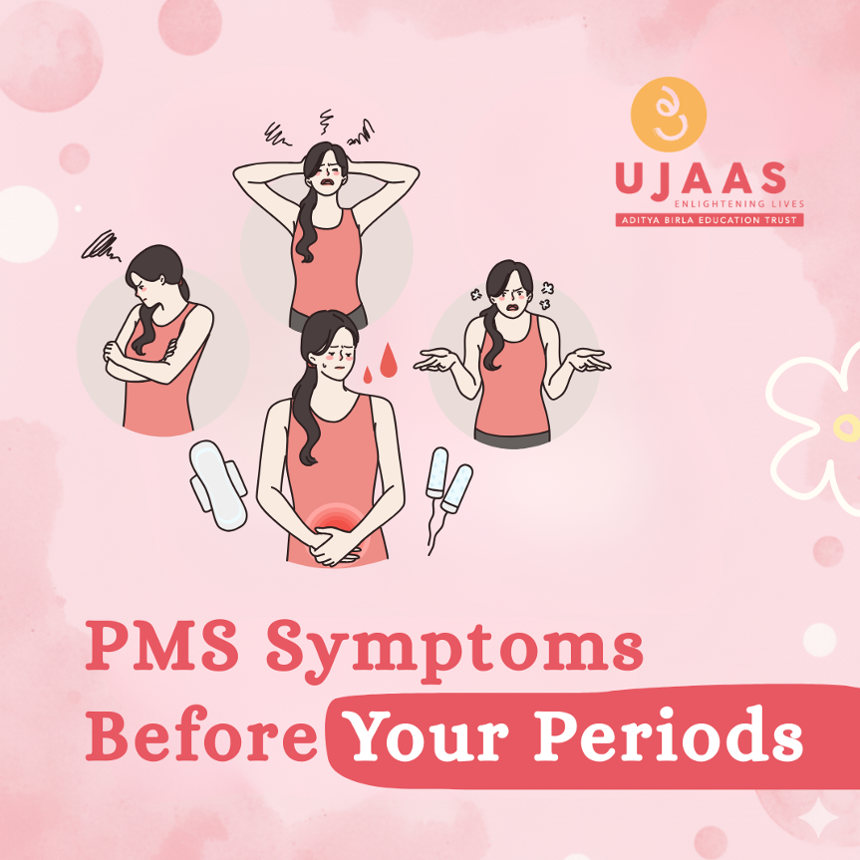
Have you ever found yourself feeling extra irritable, bloated, or emotionally overwhelmed in the days leading up to your period? You’re not alone. These are classic PMS symptoms, short for Premenstrual Syndrome. PMS is something nearly 3 out of 4 women experience before their period begins. It’s more than just mood swings; it’s a complex, often misunderstood set of physical, emotional, and behavioral changes that occur due to hormonal shifts in the body.
As we become more aware of menstrual health and menstrual hygiene initiative efforts in India and globally, it’s time to break the silence and normalize discussions around PMS. Understanding what your body goes through during the peripods, the phase before your periods, can help you manage your health better, reduce discomfort, and feel more in control.
Let’s dive into what PMS actually is, the wide range of symptoms it may include, why it happens, how to manage it, and when to seek medical advice.
What is PMS?
PMS, or Premenstrual Syndrome, refers to the variety of symptoms that appear one to two weeks before menstruation and usually go away shortly after the period starts. These symptoms are linked to the hormonal changes that occur in the peripods of your menstrual cycle, particularly the drop in estrogen and progesterone after ovulation.
It’s an essential part of the conversation around menstrual health and hygiene, especially as more women and adolescents seek to understand their bodies better through platforms like Ujaas, amenstrual health and menstrual hygiene initiative focused on education, access, and empowerment.
What Causes PMS?
The exact cause of PMS isn’t completely known, but several factors are believed to contribute:
- Hormonal Fluctuations: Estrogen and progesterone levels rise and fall dramatically during the menstrual cycle. These hormonal shifts can affect brain chemicals like serotonin, leading to mood changes and physical symptoms.
- Chemical Changes in the Brain: Low levels of serotonin can trigger depression, fatigue, food cravings, and sleep problems.
- Lifestyle Factors: Poor diet, lack of exercise, and high stress can make PMS symptoms worse.
- Genetics and Family History: If PMS runs in your family, you're more likely to experience it.
Raising awareness around these causes is a key goal of any effective menstrual health and menstrual hygiene initiative. When girls and women know what to expect, they’re better equipped to manage it.
What Are The Common Symptoms of PMS Before Your Period?
PMS isn’t the same for everyone. Some experience just a few symptoms, while others may feel overwhelmed by many. Here's a breakdown of PMS symptoms commonly reported in the peripods:
Physical Symptoms:
- Bloating or water retention
- Breast tenderness or swelling
- Headaches or migraines
- Joint or muscle pain
- Acne flare-ups
- Cravings for certain foods, especially sweets or salty snacks
- Constipation or diarrhea
- Fatigue or trouble sleeping
Emotional and Behavioral Symptoms:
- Irritability or sudden mood swings
- Feeling anxious or overwhelmed
- Crying spells or sadness
- Difficulty concentrating
- Social withdrawal
- Low self-esteem
- Decreased interest in daily activities
These signs vary from person to person and may even change from month to month. Still, they offer valuable clues about your overall menstrual health.
How to Recognize PMS vs. Other Conditions?
Sometimes, PMS symptoms can resemble other health issues like depression, anxiety disorders, thyroid issues, or chronic fatigue syndrome. That’s why it's crucial to track your cycle and note your PMS symptoms during the peripods to distinguish patterns.
This is where menstrual health and hygiene awareness play a key role. A personal menstrual journal can help you understand if your symptoms are cyclic and related to hormonal changes, or something more persistent that needs medical evaluation.
How to Manage PMS Symptoms Naturally?
Dealing with PMS doesn’t always mean medication. Many lifestyle changes and home remedies can go a long way in easing discomfort and improving your overall menstrual health.
1. Dietary Adjustments
- Eat smaller, more frequent meals to reduce bloating.
- Include more whole grains, vegetables, and fruits.
- Reduce salt, caffeine, and sugar intake.
- Drink plenty of water.
2. Exercise Regularly
- Light to moderate physical activity can boost mood and reduce fatigue.
- Yoga, walking, and gentle stretching are especially helpful during peripods.
3. Sleep Well
- Maintain a consistent sleep schedule.
- Aim for at least 7–8 hours of restful sleep.
4. Manage Stress
- Practice mindfulness, meditation, or journaling.
- Deep breathing or progressive muscle relaxation can help calm emotional turbulence.
5. Use Heat Therapy
- A warm compress or hot water bottle on the lower abdomen can soothe cramps and relax muscles.
These simple changes can be incredibly effective in managing PMS symptoms and improving your quality of life during your cycle.
H2: When Should You See a Doctor?
Sometimes, PMS may be more than just a temporary discomfort. If your symptoms are severe, interfere with your daily activities, or affect your mental well-being, it may be a sign of Premenstrual Dysphoric Disorder (PMDD), which is a more intense form of PMS that requires medical attention.
See a doctor if:
- Your symptoms persist for more than a few days each month
- You experience severe depression or anxiety
- Physical symptoms like migraines or fatigue are debilitating
- Self-care routines don’t seem to help
This is another reason why strengthening our menstrual health and menstrual hygiene initiative is crucial, so that girls and women can access medical care when needed and not normalize intense discomfort or pain.
H2: How Does Tracking of The PMS Symptoms Help?
Understanding your body is empowering. Maintaining a menstrual health tracker or using period tracking apps can help you identify patterns in your PMS symptoms, allowing you to anticipate discomfort and manage it more effectively. Here’s what to note in your tracker:
- Dates and duration of PMS symptoms
- Severity level of each symptom (mild/moderate/severe)
- Lifestyle habits (diet, sleep, stress levels)
- Remedies tried and their effectiveness
This data can be extremely helpful during doctor consultations and in understanding your hormonal health over time.
H2: The Role of Ujaas in Spreading Menstrual Health Awareness
At Ujaas, we believe that menstrual education goes far beyond just distributing pads. It's about cultivating a culture of body literacy and emotional support. Founded by Advaitesha Birla, Ujaas is committed to empowering girls with the knowledge and tools they need to manage their menstrual healthconfidently.
Our menstrual health and menstrual hygiene initiative is rooted in compassion and community. We aim to create a space where no girl feels alone or uninformed about what her body is going through, whether it’s PMS, periods, or any related challenge.
Final Thoughts
Your body is constantly communicating with you, especially during the peripods. PMS symptoms are not “just in your head”; they are real, often uncomfortable, and worth understanding. The good news is that by learning more about menstrual health, tracking symptoms, and making small but consistent lifestyle changes, you can manage PMS better and lead a more balanced life.
The conversation around menstrual health and menstrual hygiene initiatives must include PMS because understanding what happens before your period is just as important as knowing what to do during it.