

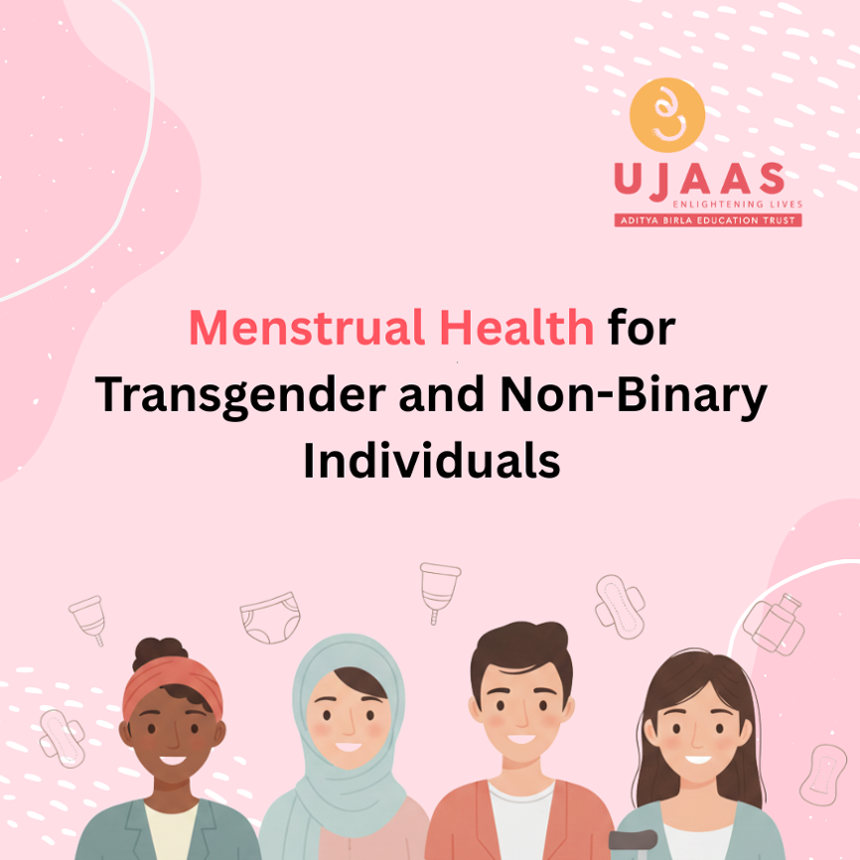
Menstrual Health for Transgender and Non-Binary Individuals
When we talk about periods, we often imagine cisgender women. But the reality is, not all people who menstruate are women and not all women menstruate. For transgender men, non-binary individuals, and gender-diverse people, periods can be a deeply personal, often distressing experience. Discussions around menstruation must evolve to reflect this reality, and inclusive education is a critical step forward in promoting menstrual health and menstrual hygiene.
Ujaas is committed to creating an inclusive dialogue about periods and recognizes that menstrual health for transgender and non-binary individuals is a topic long overlooked. Our aim is to raise awareness and build an empathetic, safe, and informed space for all menstruators regardless of gender identity.
Why Inclusive Menstrual Health Conversations Matter
Menstruation is a biological process, not a gendered experience. However, social norms and a lack of awareness have traditionally framed menstruation in strictly cisgender terms. This exclusion can lead to:
- Mental health struggles, such as gender dysphoria or anxiety during menstruation.
- Barriers to access: Many period products are marketed only to women, alienating trans and non-binary people.
- Lack of proper care due to fear of discrimination or misunderstanding from healthcare providers.
A forward-looking menstrual health and menstrual hygiene initiative must address these challenges. Creating space in healthcare, education, and conversations for all who menstruate is not just progressive but also necessary.
Understanding The Experience: Menstrual Health for Transgender and Non-Binary People
The menstrual experience of a transgender or non-binary person is not one-size-fits-all. For some, it can trigger feelings of dysphoria, especially when it conflicts with their gender identity. Others may feel indifferent or view it as a manageable physical process. Regardless of where someone falls on the spectrum, there are specific challenges that arise.
Let’s explore some key aspects of menstrual health for non-binary and transgender people:
1. Emotional and Psychological Challenges
For many gender-diverse individuals, menstruation can bring on:
- Dysphoria: Feeling out of sync with one's body or gender identity.
- Anxiety: Fear of being “outed” by carrying pads or tampons in public.
- Isolation: A lack of representation in media, ads, and education that often equates periods with womanhood.
2. Physical Symptoms Remain the Same
Regardless of gender identity, people who menstruate may face:
- Cramping
- Bloating
- Fatigue
- Mood swings
- Breast tenderness
These physical experiences further highlight the importance of menstrual health and hygiene education tailored for all bodies.
3. Hormonal Therapy and Menstruation
Trans men and non-binary individuals who take testosterone may experience changes in their menstrual cycle:
- Lighter or irregular periods
- Temporary cessation of menstruation (amenorrhea)
- Spotting or bleeding during dose changes
It’s essential for healthcare providers to communicate these changes and ensure that menstrual health for transgender people is not left out of medical discussions.
Inclusive Menstrual Products: Expanding Choices for Everyone
Menstrual health for non-binary and trans people is impacted significantly by product accessibility and inclusivity. Here are some product-related barriers and solutions:
Common Challenges:
- Packaging and branding often use hyper-feminine language and designs.
- Public restrooms may not offer bins for disposal in stalls used by trans men or non-binary individuals.
- Gender-neutral access is still limited in many places.
More Inclusive Options:
- Reusable products such as menstrual cups or period underwear offer discreet alternatives.
- Gender-neutral packaging is slowly emerging in the market.
- Apps and period trackers are beginning to include inclusive options for gender identity.
These are positive developments, but there’s more work to be done. A truly inclusive menstrual health and menstrual hygiene initiative must advocate for product innovation and accessibility at every level.
How to Support Transgender and Non-Binary Individuals Through Their Menstrual Health Journey
Support, empathy, and informed guidance can go a long way in easing the menstrual experience for gender-diverse individuals. Here’s how we can all contribute:
1. Use Inclusive Language
- Replace phrases like “feminine hygiene products” with “menstrual products".
- Say “people who menstruate” instead of “women".
- Ask for and respect someone’s preferred pronouns and language around their body.
2. Create Safe Spaces
- Schools, workplaces, and public restrooms must offer safe, inclusive access to menstrual products.
- Teachers and health educators must include menstrual health for transgender and non-binary people in lessons.
3. Healthcare Must Catch Up
- Healthcare providers need training in inclusive menstrual care.
- Trans-friendly clinics should be equipped with professionals who understand hormone therapy, menstrual irregularities, and mental health needs.
Common Symptoms of Menstruation in Trans and Non-Binary People
The physical symptoms of menstruation are largely the same, but they may carry additional emotional weight for those who experience gender dysphoria. Some common symptoms include:
- Abdominal cramps and lower back pain
- Spotting or irregular cycles (especially with testosterone)
- Mood changes and irritability
- Fatigue and muscle soreness
- Breast sensitivity
Tracking symptoms can help individuals navigate their cycles more comfortably and plan for self-care. A menstrual health journal can also be a useful, gender-neutral tool to manage both physical and emotional symptoms.
Tips for Managing Periods Discreetly and Comfortably
Every individual deserves to feel comfortable and confident in their body, especially during their period. These tips can help make the experience more manageable:
1. Dress for Comfort
- Dark-colored bottoms and layering can help ease anxiety around leaks.
- Wearing gender-affirming clothes (like binders or loose tops) can reduce dysphoria.
2. Try Reusable Products
- Menstrual cups and period underwear are low-profile and eco-friendly.
- These products offer greater privacy and reduce trips to public restrooms.
3. Practice Self-Care
- Warm compresses, meditation, journaling, or gentle exercise can help soothe both mind and body.
- Listening to your body is essential so don’t ignore fatigue or pain.
4. Community Support
- Connecting with others through forums or support groups can normalize the experience.
- Shared stories help reduce stigma and offer validation.
When to Consult a Doctor
It’s important to seek medical advice if:
- Periods are excessively painful, long, or irregular.
- You’re experiencing side effects from hormone therapy.
- Menstrual symptoms are affecting your mental health.
Some trans and non-binary people may be hesitant to approach doctors due to past negative experiences. That’s why it is vital to find LGBTQIA+ affirming healthcare providers who are trained in menstrual health for transgender individuals.
Moving Forward with Inclusion: Ujaas and Its Vision
At Ujaas, we believe that true progress lies in inclusivity. We’re not just promoting a menstrual health and menstrual hygiene initiative, but are building a movement that includes everyone who menstruates. That means:
- Listening to the lived experiences of trans and non-binary people.
- Educating schools and families to be more empathetic.
- Ensuring menstrual products and information are available in gender-neutral formats.
Periods are natural, and so is diversity. No one should feel ashamed, alienated, or unseen because of their gender identity.
Final Thoughts: Menstrual Health Through an Inclusive Lens
Recognizing the menstrual health needs of transgender and non-binary people is not a favor; it’s a necessity. Inclusive menstrual care is about more than just access to products. It’s about validating identities, addressing health needs, and creating compassionate, stigma-free environments.
If you’re someone who menstruates and doesn’t identify as a woman, know this: your experience is real, valid, and deserves attention. And if you’re someone who wants to support, educate yourself, and amplify trans and non-binary voices.